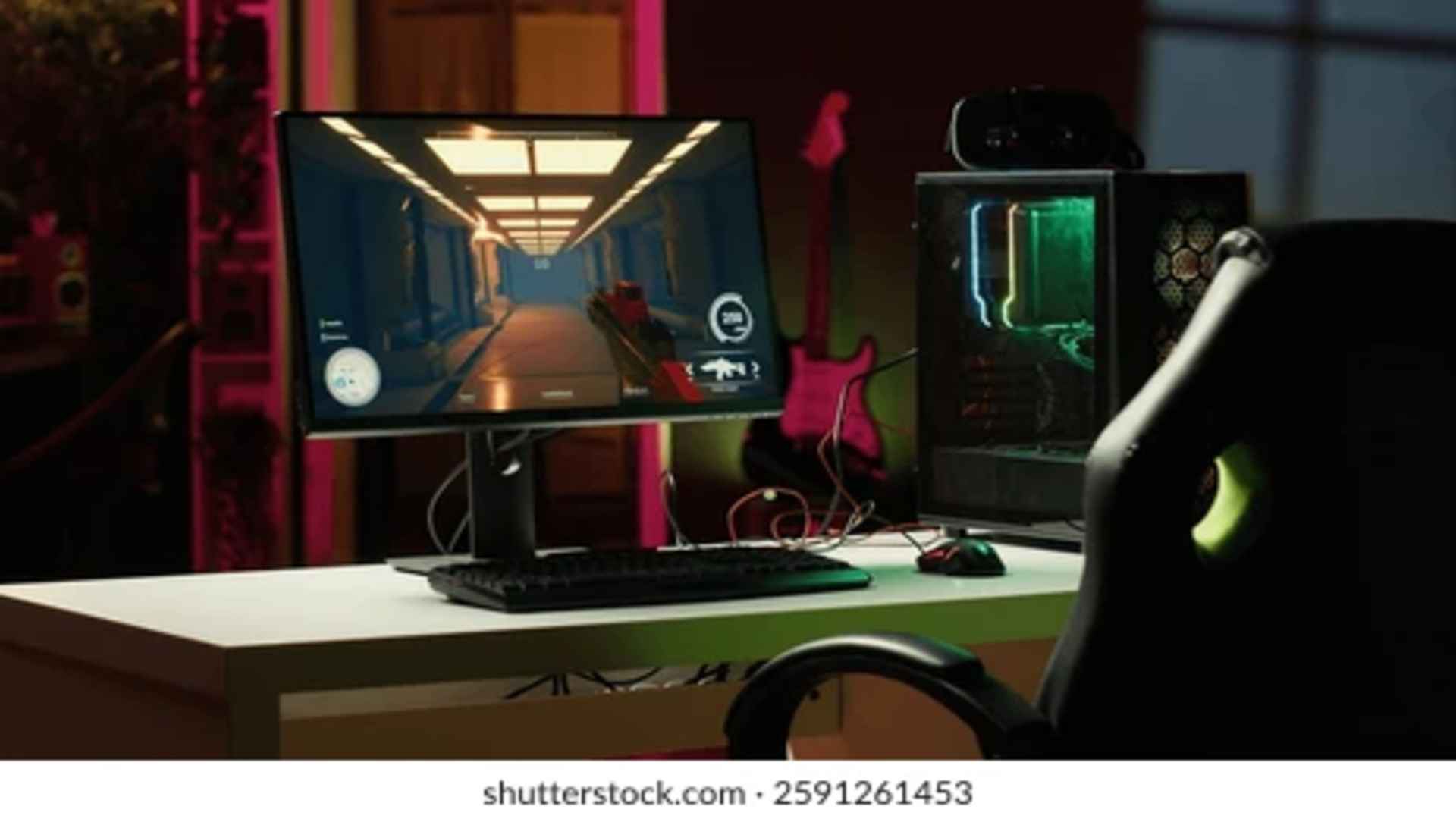
The modern digital era has ushered in a remarkable transformation for arcade enthusiasts by providing instant access to high-octane experiences. Today, players demand a seamless blend of responsive mechanics and high-speed gameplay to satisfy their competitive urges.
The Importance of Responsive Input Mechanics
In the world of fast-paced gaming, the delay between a button press and the on-screen action can determine success or failure. Developers prioritize low-latency inputs to ensure that every movement feels natural and immediate for the user.
Smooth controls are the foundation of any successful arcade title, allowing players to navigate complex obstacles with precision. Without this level of technical polish, even the most visually stunning games can feel frustrating and unresponsive.
Advanced coding techniques and optimized browser engines have significantly reduced input lag across various platforms. This evolution allows gamers to enjoy intense challenges that were once only possible on dedicated hardware consoles.
High-Speed Gameplay and Visual Fluidity
Fast action requires a consistent frame rate to maintain the illusion of continuous motion and keep the player immersed. Modern arcade games utilize hardware acceleration to deliver crisp animations and vibrant effects at high speeds.
When gameplay moves quickly, the brain relies on visual cues to anticipate the next move and react accordingly. Clear graphics combined with fluid motion help players maintain their focus during the most intense gaming sessions.
Achieving this balance of speed and clarity is a major focus for studios looking to capture the attention of a global audience. Reliable platforms like Mansion90 offer a curated selection of titles that emphasize these high-performance characteristics.
Designing for Maximum Engagement
Successful arcade games often feature intuitive interfaces that allow players to jump straight into the action without a steep learning curve. This accessibility is key to building a large and dedicated community of casual and hardcore gamers alike.
Developers often include rewarding feedback loops, such as satisfying sound effects and visual milestones, to celebrate player achievements. These elements reinforce the feeling of mastery as players improve their timing and reflexes over time.
Innovative level design keeps the experience fresh by introducing new mechanics and increasing the difficulty at a steady pace. This ensures that the sense of excitement remains high even after multiple play sessions.
The Social Element of Modern Arcades
Competitive leaderboards and multiplayer modes have transformed solitary gaming into a vibrant social experience. Comparing scores with friends and rivals adds a layer of motivation that encourages players to perfect their skills.
Real-time interactions and community challenges foster a sense of belonging within the digital arcade space. Players often share tips and strategies to help each other overcome particularly difficult stages or boss battles.
As technology continues to advance, we can expect even more integrated social features that bridge the gap between different gaming devices. The future of the arcade genre lies in its ability to connect people through shared thrills and fast-paced fun.
Technical Optimization for Better Performance
Behind every smooth gaming experience is a rigorous process of testing and optimization to ensure compatibility across multiple devices. Engineers work tirelessly to minimize resource consumption while maximizing the visual output of their games.
Using lightweight assets and efficient data streaming allows games to load quickly and run smoothly on various internet connections. This focus on performance ensures that high-quality entertainment is accessible to as many people as possible.
Regular updates and community feedback help developers identify and fix any performance issues that may arise post-launch. This commitment to quality is what separates top-tier arcade titles from the rest of the market.