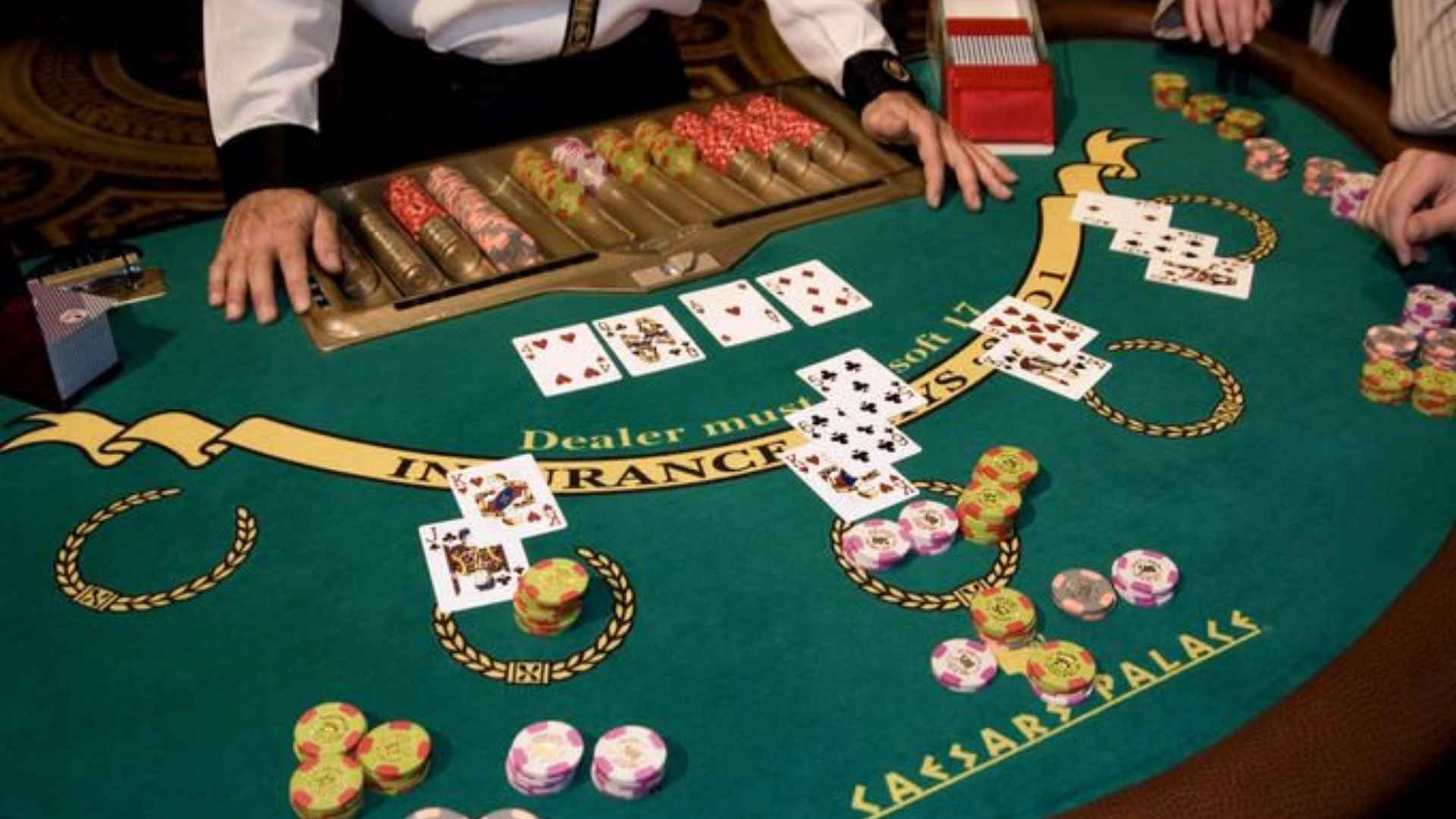
In today's fast-paced environment, the ability to make firm, calculated choices under pressure is a highly valued skill. While professional training programs exist to build leadership qualities, tabletop gaming serves as a surprisingly practical arena for developing these exact mental traits. Engaging with these games on a regular basis helps players confront uncertainty, analyze potential outcomes, and master the art of deliberate decision-making.
The Psychology of Tabletop Strategy
Many classic board and card games are built on systems of imperfect information, forcing players to make predictions based on limited clues. This constant evaluation closely mirrors real-world situations where we must make major choices without knowing all the variables. Over time, navigating these complex scenarios reduces the natural fear of making mistakes and builds a solid foundation of self-assurance.
Furthermore, the physical presence of other competitors adds a crucial social element that digital screen-based setups cannot replicate. Observing the body language, reactions, and shifting tactics of your opponents teaches you to adapt your approach dynamically. This active social feedback loop helps players learn to stand firmly behind their tactical moves even when facing unexpected resistance.
Developing Risk Assessment Skills
An essential step in gaining strategic confidence is learning how to calculate risks rather than relying on pure guesswork. Table games offer a safe environment to test different approaches and witness the immediate consequences of bold decisions. By systematically weighing the potential rewards against the likelihood of failure, players learn to trust their own analytical capabilities.
This mental discipline is highly applicable to structured prediction models and modern tactical challenges. For enthusiasts looking to refine their mathematical foresight and enjoy a broad selection of strategic games, visiting a reliable platform like M88 toto can offer excellent practice opportunities. Regularly exercising your mind with these structured probabilities eventually makes high-pressure decisions in daily life feel far less intimidating.
Building Emotional Resilience
True strategic confidence is not just about winning; it also involves knowing how to handle setbacks gracefully. Tabletop matches frequently present unexpected turns of events that can instantly disrupt even the most meticulously designed plans. Learning to remain calm, assess the new state of play, and formulate a viable recovery plan is an invaluable mental exercise.
When players realize that a single setback does not equal defeat, they become much more willing to take calculated risks in the future. This emotional resilience prevents decision paralysis and fosters a proactive mindset. Ultimately, the ability to pivot smoothly during a game translates into stronger problem-solving capabilities in academic and professional arenas alike.